The Festival of Britain's Whimsical Locomotives
At the 1951 Festival of Britain, SIFbronze joined the dissimilar metals (brass, copper and steel) behind Emmett's fantastical miniature railway, built to carry 100 passengers at a time.
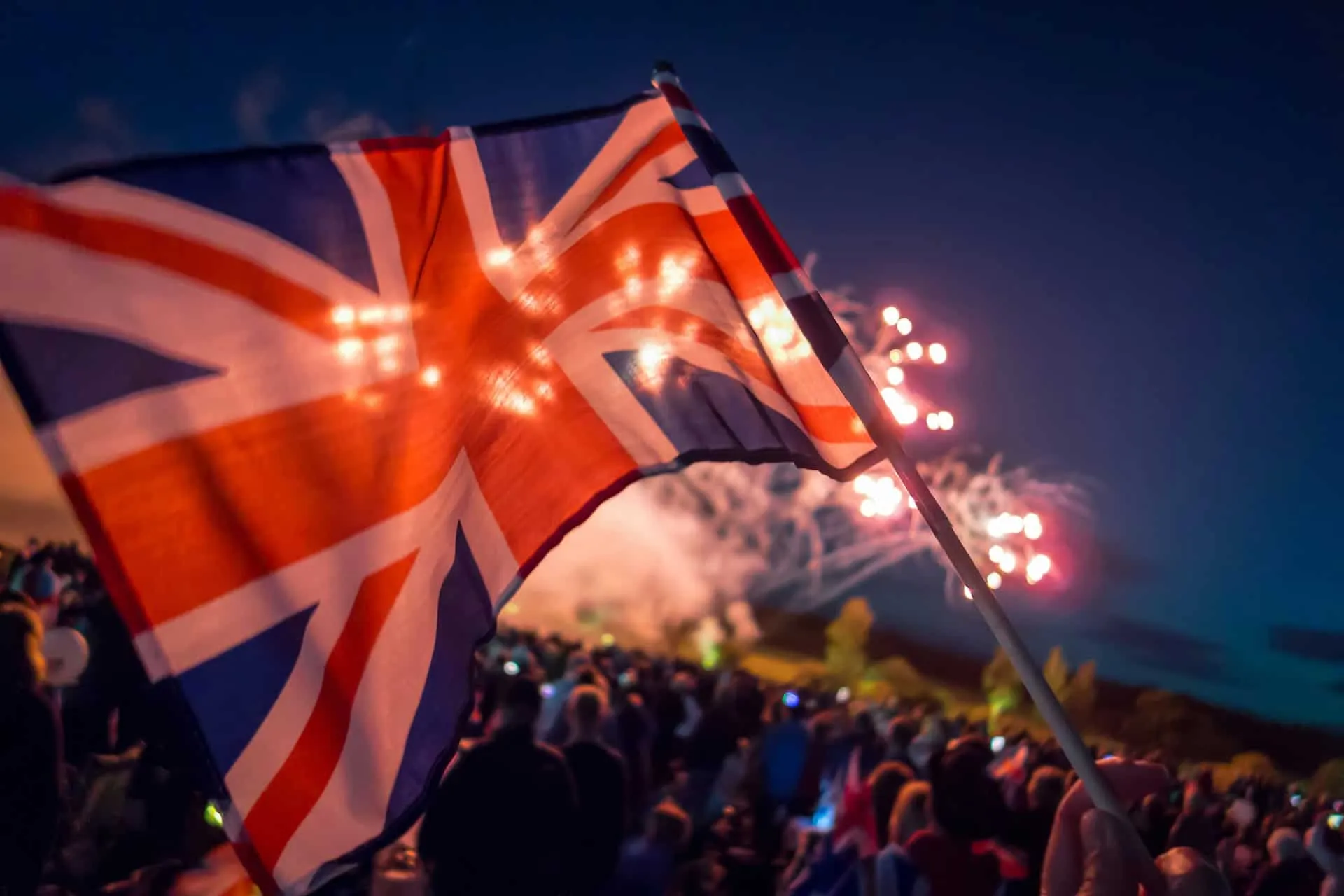
In the early 1950s, Britain was recovering from the Second World War and looking towards a brighter future. The Festival of Britain in 1951 celebrated the nation’s contributions to science, technology, design, architecture and the arts. Among its most delightful attractions was a fleet of whimsical miniature locomotives, and central to their construction was SIFbronze, supplied by the Suffolk Iron Foundry (SIF), founded in 1925.
The whimsical locomotives
The Festival featured several enchanting engines, including Wild Goose, Neptune and Nellie, designed by the celebrated Punch cartoonist Emmett and built by Councillor H.N. Barlow at his Miniature Railway Workshops in Southport.
Each was a work of art as much as engineering. Neptune, for instance, ran along a waterless track with paddles thrashing the air, equipped with a compass, sextant, lifebuoys and diving helmets. The engines were diesel-electric, each producing 40 horsepower, running on a 15-inch track and hauling around 100 passengers through the Festival Gardens.
The role of SIFbronze
Building the locomotives posed real challenges, above all joining dissimilar metals and ensuring the joints would last. This is where SIFbronze proved essential:
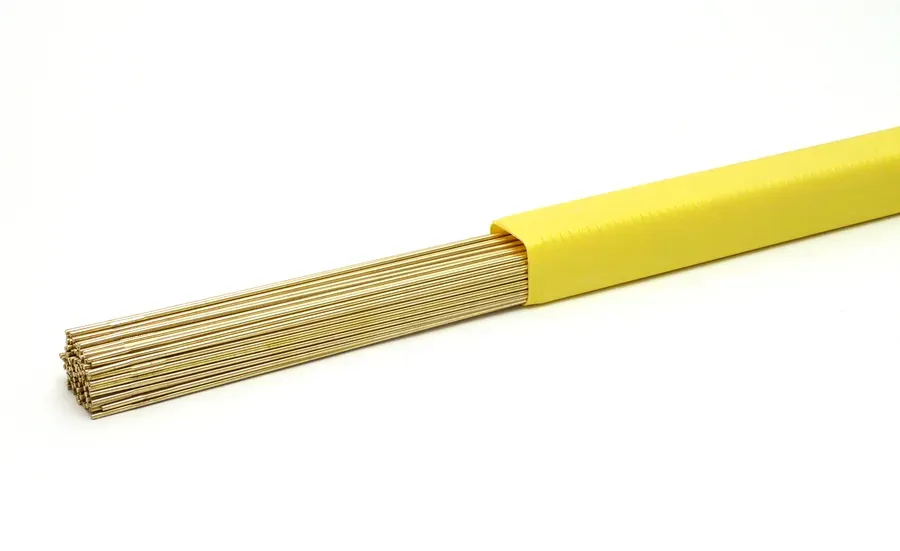
- Joining dissimilar metals. The engines combined brass, copper and steel. SIFbronze No. 1 reliably joined these different materials with strong, dependable joints.
- Ease of application. The rods allowed precise, clean welds, vital for the delicate, intricate detailing of the designs.
- Confidence in the welds. The reliability of the joints was critical as the locomotives carried passengers day after day.
Crafting without blueprints
Remarkably, the locomotives were built without formal blueprints. Most of the drawings were traced onto the walls and door panels of Mr Barlow’s workshops. The raw materials were relics of past ages: old brass bed rails, copper wash boilers and brass oil lamps, repurposed into the fabric of the engines.
SIFbronze welding ran throughout the build, with SIFcupron used extensively on the copper work where a low-temperature application was needed. The joints endured constant use and vibration without failure; Mr Barlow noted that a SIFbronze-welded joint had never broken down in service.
A joyful legacy
The Festival of Britain locomotives brought delight to thousands of visitors and showcased British craftsmanship at its most imaginative. That they ran reliably, year after year, owes much to the humble welding rod that held them together.
The same expertise, today
From heritage to your workshop
The engineering credibility behind these stories backs every product we supply. Talk to our technical team about the right consumables, machines or fume extraction for your work.