
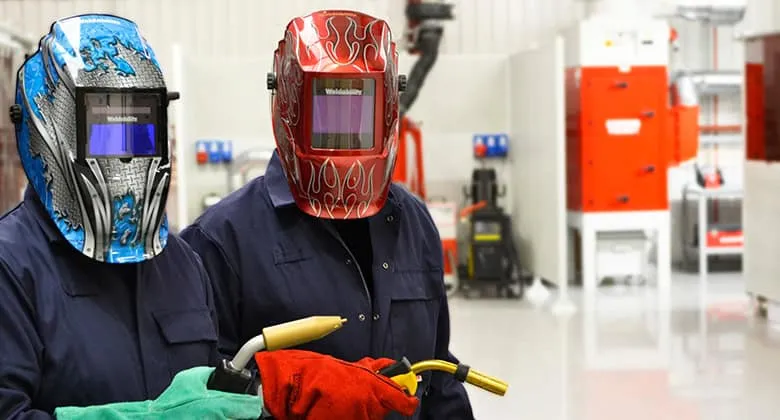
Welding standards and compliance are the framework of recognised standards, qualifications, documentation and inspection that demonstrate a weld meets the required quality, safety and legal requirements. In practice this means qualified welders working to tested welding procedures, using certified consumables, with the documentation and inspection records to prove it. Compliance demonstrates that welding activities meet recognised standards, legal requirements and customer specifications. Many industries also require documented compliance before products can be accepted.
This guide is the hub for everything Weldability SIF publishes on welding standards and compliance. It explains how the major pieces fit together (procedures, qualifications, certification, documentation and inspection) and links down to in-depth pages on each. Whether you are setting up a quality system for the first time or refreshing your knowledge of a specific standard, start here and follow the links to the detail you need.
Why compliance matters in welding
Compliance demonstrates that welding activities meet recognised standards, legal requirements and customer specifications. It helps ensure safety, product reliability and consistent manufacturing quality. For safety-critical work such as construction, pressure vessels and offshore fabrication, documented compliance is not optional: many industries require evidence of competent personnel, approved procedures and proper inspection before products can be accepted into service.
Getting compliance right protects everyone in the chain. It gives the fabricator a defensible quality record, gives the customer confidence that the product meets specification, and ultimately helps ensure the finished structure or component performs safely throughout its life.
The building blocks of welding compliance
Welding compliance rests on a few connected pillars. Each is covered in depth on its own page.
Key welding standards
A small number of recognised standards underpin most UK and European fabrication: ISO 9606 for welder qualification, ISO 15614 for welding procedure qualification, ISO 3834 for welding quality requirements, EN 1090 for structural steel and aluminium, EN 10204 for material certification, and ISO 5817 for weld quality levels. Knowing which standard governs which activity is the foundation of a compliant operation.
Read more: Key welding standards explained.
Welder and procedure qualification
Two distinct things must be qualified before production welding: the welder and the procedure. A Welding Procedure Specification (WPS) tells the welder how to weld a joint; a Welding Procedure Qualification Record (WPQR/PQR) proves the procedure has been tested and qualified. Welders themselves are qualified to standards such as ISO 9606, and a welding coordinator (per ISO 14731) oversees the whole activity.
Read more: Welder and welding procedure qualification.
Fabrication certification
Manufacturers placing structural steelwork on the market generally need to comply with EN 1090, demonstrate factory production control, and apply CE or UKCA marking where required. Many also work to ISO 3834 to show effective welding quality management. These certifications signal to clients and regulators that the right controls are in place.
Read more: Fabrication certification: EN 1090, CE/UKCA and ISO 3834.
Consumable certification and traceability
Certified consumables and materials provide confidence that products meet recognised chemical composition and mechanical property requirements. EN 10204 defines the inspection documents (2.1, 2.2, 3.1, 3.2) supplied with metallic products, while batch and welding traceability allow materials, consumables, welders and procedures to be identified throughout production.
Read more: Consumable certification and traceability.
Welding documentation and quality systems
Typical welding documentation includes WPSs, WPQRs, welder qualifications, material certificates, consumable certificates and inspection reports. Around this sits the quality system: audits, calibration, quality assurance activities and the welding symbols that communicate fabrication requirements on drawings.
Read more: Welding documentation and quality systems.
Weld inspection and acceptance criteria
Inspection checks that welds meet specified quality requirements, from visual inspection through to non-destructive testing (NDT) methods such as ultrasonic, radiographic, dye penetrant and magnetic particle inspection. Standards such as ISO 5817 define quality levels and acceptance criteria for weld imperfections.
Read more: Weld inspection and acceptance criteria.
How it all fits together
A compliant weld is the product of a chain: a qualified procedure (WPS, validated by a WPQR), executed by a qualified welder, using certified consumables with full traceability, recorded in proper documentation, and verified by inspection against defined acceptance criteria. All of it sits within a quality system that is audited and maintained. Remove any link and the evidence of compliance breaks down.
Standards interlock too. EN 1090 draws on welding quality requirements similar to ISO 3834; procedures are qualified to ISO 15614 and welders to ISO 9606; material and consumable certification follows EN 10204; and finished welds are judged against ISO 5817 quality levels. Understanding these relationships makes it far easier to assemble the right paperwork for a given project.
Where Weldability SIF fits
Weldability SIF supplies welding consumables with the certification and traceability that a compliant operation depends on. Certified consumables provide confidence that the product meets recognised chemical composition and mechanical property requirements, support traceability, and help demonstrate compliance with your welding procedures. If you are putting together the documentation for an EN 1090, ISO 3834 or customer audit and need certified consumables with EN 10204 documentation, get in touch with our team.