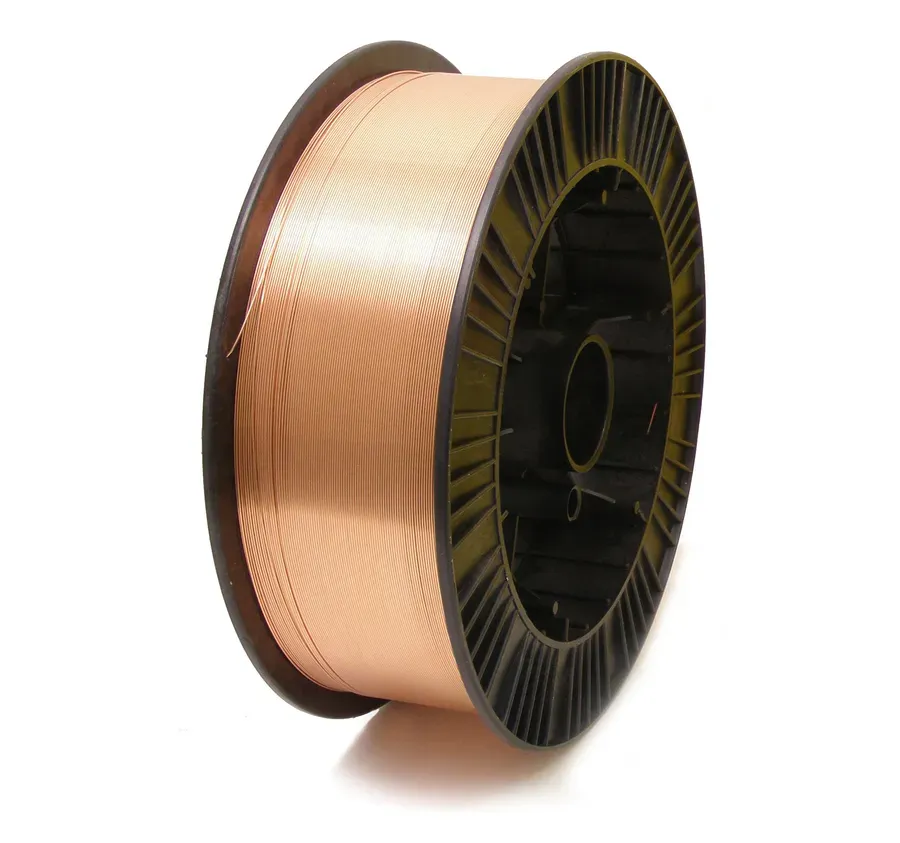
SIF MIG Wires (GMAW)
SKU WO981040 C7
SIFMIG 985
One of 14 variants in this range Configure all options Sign in to see your price & orderNext day delivery available on UK orders carriage & areas
Your trade price … / unit
Added to cart ✓. View cart
Price on application
There's no standard list price for this item. It's quoted per order, against the quantity and specification you need.
Save to a list
Trade-only No minimum order Free UK delivery over £150.
Buying in bulk? Call us for volume pricing 01462 482200 Speak to the trade desk for sharper prices on larger quantities.| Classification | C7 |
|---|---|
| Diameter (mm) | 1.0 |
| Material | Copper |
| Standard | EN ISO 25980 |
| Weight | 4kg |
Documents & downloads
 Part of the SIF range A century of welding consumables Explore SIF
 Reviews
No reviews yet. If you've used this product, yours would be the first.
Trade customers can review this product. Sign in to leave yours.
Thanks, you've already reviewed this product.
You may also need
 SIF
SIF  SIF
SIF  SIF
SIF  SIF
SIF 
Related in this range
 SIF Options SIF Options
  SIF Options SIF Options
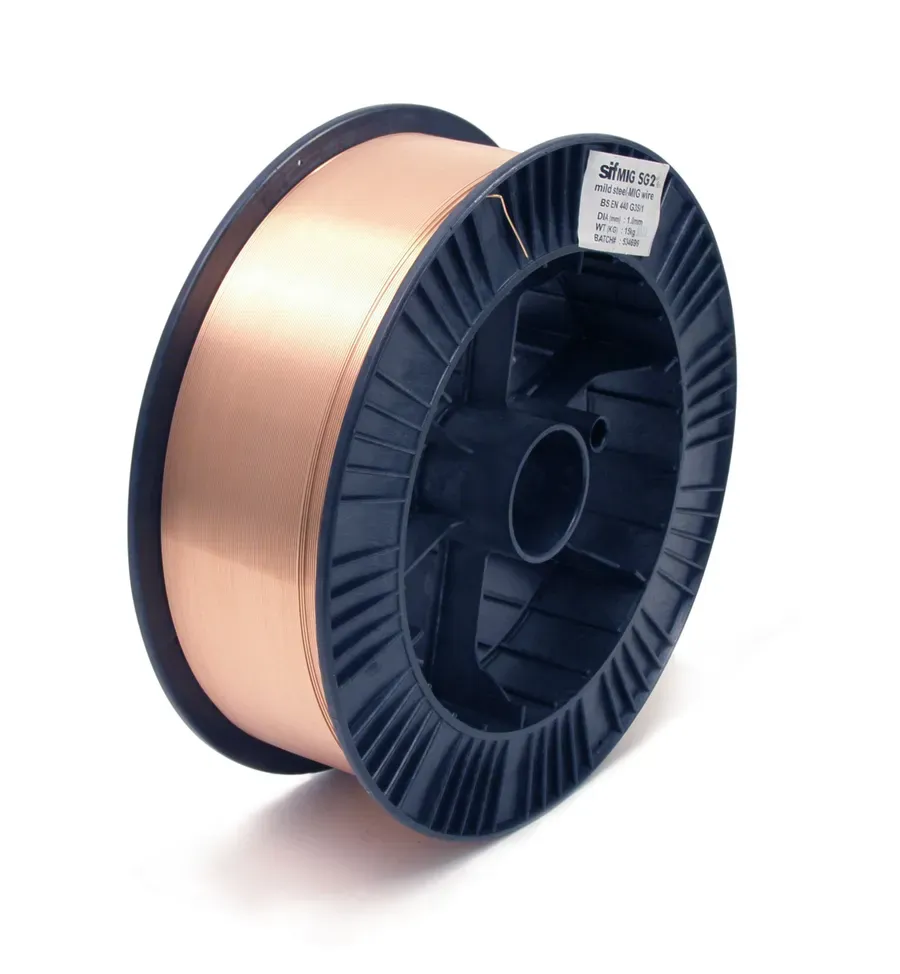
 1.0mm SIFMIG C7 Copper MIG Wire 4.0kg
The correct MIG wire depends on three main factors: the material you're welding, the wire diameter required and the welding process you're using. Once you've identified the material, you can select the appropriate MIG wire for your application.
Start by identifying the parent material, then choose the correct wire diameter for the material thickness and welding current. Finally, select a consistently manufactured, high-quality MIG wire for reliable feeding and welding performance.
Consider the material, joint design, welding position, required mechanical properties and service environment. These factors determine which type of MIG wire is most suitable.
Wire diameter should be selected according to the thickness of the material being welded, the welding current available and the desired deposition rate.
Yes. A high-quality MIG wire provides more consistent feeding, improved arc stability, reduced downtime and better overall weld quality.
Precision layer winding helps ensure smooth wire feeding by preventing wire crossover and reducing feeding interruptions during welding.
Copper coated wire improves electrical conductivity and corrosion protection, while copper free wire reduces copper residue inside welding equipment and is increasingly used in modern manufacturing.
Common causes include worn liners, incorrect drive roller tension, damaged contact tips, contaminated wire or poor wire quality.
Store MIG wire in a clean, dry environment and keep it sealed in its original packaging until required. Good storage helps maintain wire quality and prevents contamination.
Before selecting or recommending a MIG wire, identify: the material being welded, the welding process, the material thickness, the required weld properties, and the welding environment. Choosing the correct wire at the start helps improve weld quality, productivity and overall performance.
Open an account
Trade-only No minimum order Free UK delivery over £150. Request an account and get access to the full range.
