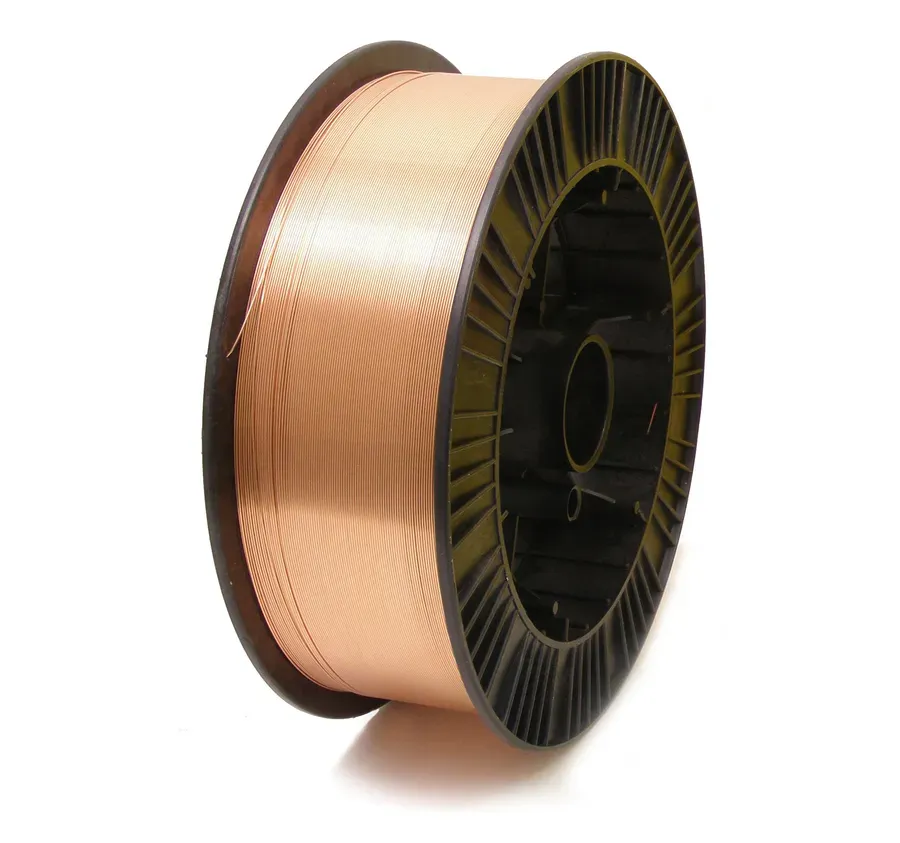
SIF MIG Wires (GMAW)
SKU WO321212A 328
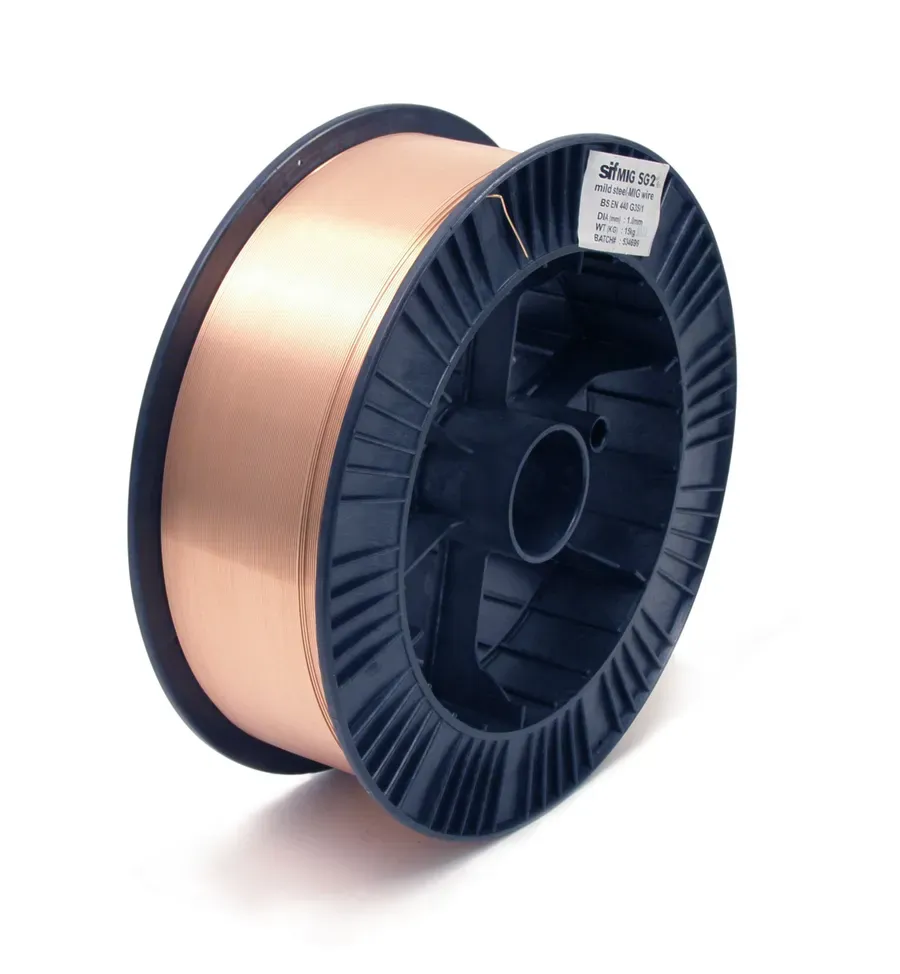
This is a 92/8 aluminium bronze wire suitable for welding materials of a similar composition and copper alloys. It is ideal for MIG Brazing dissimilar metal joints and maintenance applications.
Next day delivery available on UK orders carriage & areas
Your trade price … / unit
Added to cart ✓. View cart
Price on application
There's no standard list price for this item. It's quoted per order, against the quantity and specification you need.
Save to a list
Trade-only No minimum order Free UK delivery over £150.
Buying in bulk? Call us for volume pricing 01462 482200 Speak to the trade desk for sharper prices on larger quantities.| Classification | 328 |
|---|---|
| Diameter (mm) | 1.2 |
| Material | Alloy |
| Standard | EN ISO 25980 |
| Weight | 12.5kg |
Documents & downloads
 Part of the SIF range A century of welding consumables Explore SIF
 Reviews
No reviews yet. If you've used this product, yours would be the first.
Trade customers can review this product. Sign in to leave yours.
Thanks, you've already reviewed this product.
You may also need
 SIF
SIF  SIF Options
  SIF
SIF  SIF
SIF  SIF
SIF  SIF
SIF 
Related in this range
 SIF Options
  SIF Options SIF Options SIF Options
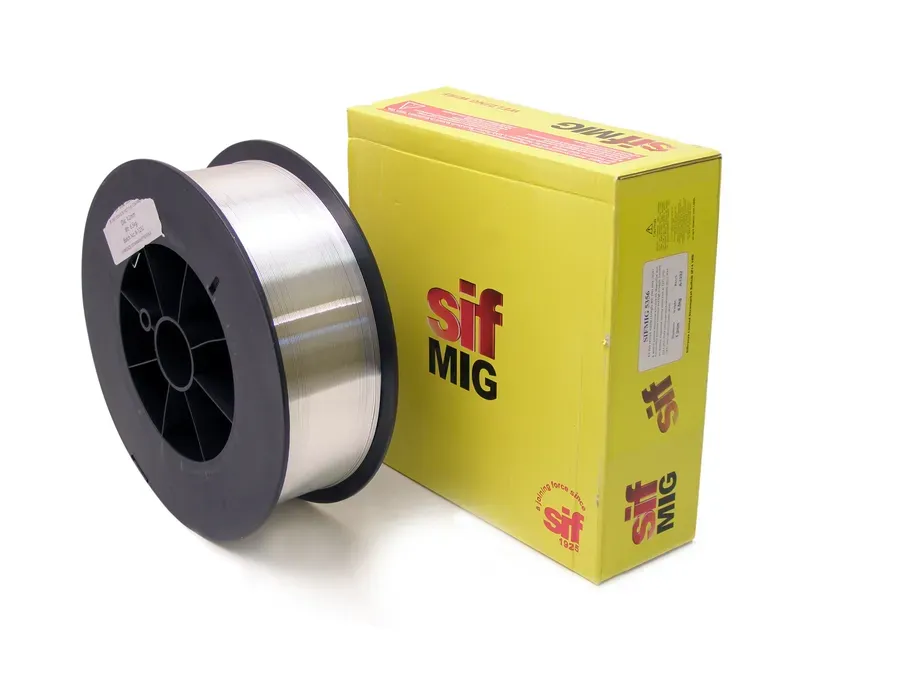
 1.2mm SIFMIG 328 Brass Bronze Alloy MIG Wire 12.5kg
Alloy MIG wires are used when the application requires specific mechanical properties, temperature resistance or compatibility with alloy steels that cannot be achieved using a standard mild steel filler wire.
Start by identifying the parent material, then consider the required strength, toughness, operating temperature and service environment before selecting a compatible filler wire.
Alloy MIG wires are formulated to match alloy steels and provide improved mechanical properties, wear resistance or elevated temperature performance where required.
In most applications, yes. Matching the filler wire helps maintain the mechanical properties and performance of the finished weld.
While it may be suitable for some non-critical repairs, using a mild steel wire on alloy steel can reduce weld performance and may not meet the required mechanical properties or welding specification.
Alloy MIG wires are widely used in power generation, pressure vessel manufacture, heavy engineering, mining, oil and gas, petrochemical and industrial fabrication.
Cracking can result from incorrect filler wire selection, insufficient preheat, rapid cooling or unsuitable welding procedures.
Some alloy steels require preheating to reduce the risk of hydrogen cracking and to achieve the correct weld properties. The requirement depends on the parent material and welding procedure.
The correct shielding gas depends on the alloy wire being used. Always follow the filler wire manufacturer's recommendations to achieve the required weld quality and mechanical properties.
Before selecting an alloy MIG wire, identify: the parent material, the required mechanical properties, the service temperature, the welding procedure, and any applicable welding specification or standard. Answering these questions will help ensure the correct filler wire is selected for the application.
Open an account
Trade-only No minimum order Free UK delivery over £150. Request an account and get access to the full range.
