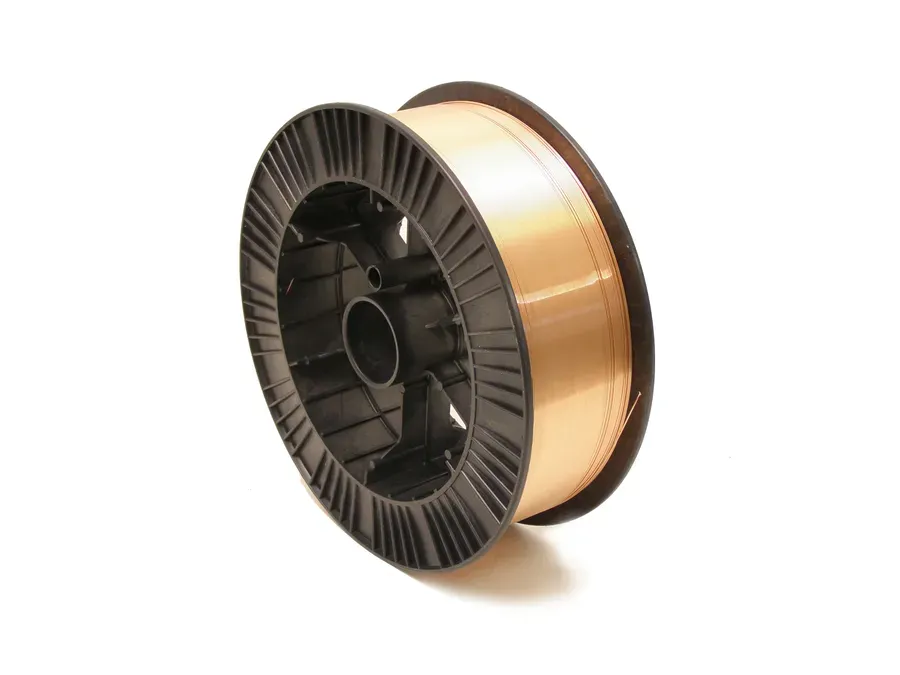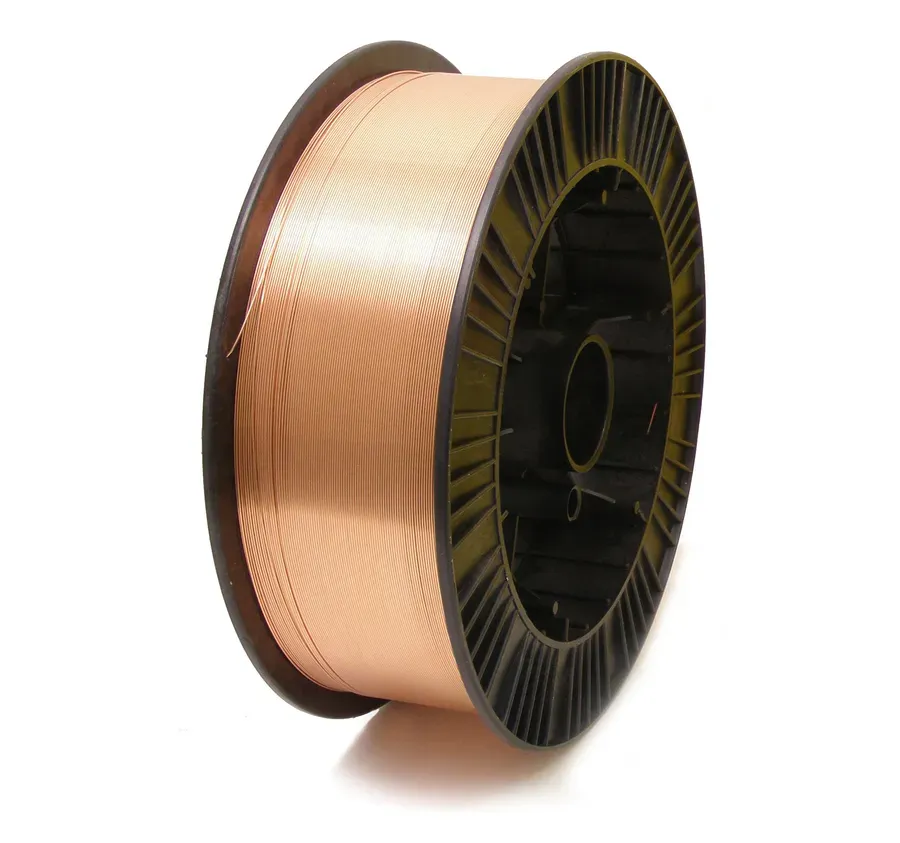
SIF MIG Wires (GMAW)
SKU WF601215 HF600
Solid hard facing MIG wire, for high wear resistance.
Next day delivery available on UK orders carriage & areas
Your trade price … / unit
Added to cart ✓. View cart
Price on application
There's no standard list price for this item. It's quoted per order, against the quantity and specification you need.
Save to a list
Trade-only No minimum order Free UK delivery over £150.
Buying in bulk? Call us for volume pricing 01462 482200 Speak to the trade desk for sharper prices on larger quantities.| Classification | HF600 |
|---|---|
| Diameter (mm) | 1.2 |
| Material | Mild Steel |
| Weight | 15kg |
Documents & downloads
 Part of the SIF range A century of welding consumables Explore SIF
 Reviews
No reviews yet. If you've used this product, yours would be the first.
Trade customers can review this product. Sign in to leave yours.
Thanks, you've already reviewed this product.
You may also need
 SIF
SIF  SIF
SIF  SIF
SIF  SIF
SIF 
Related in this range
 SIF Options SIF Options
  SIF Options SIF Options
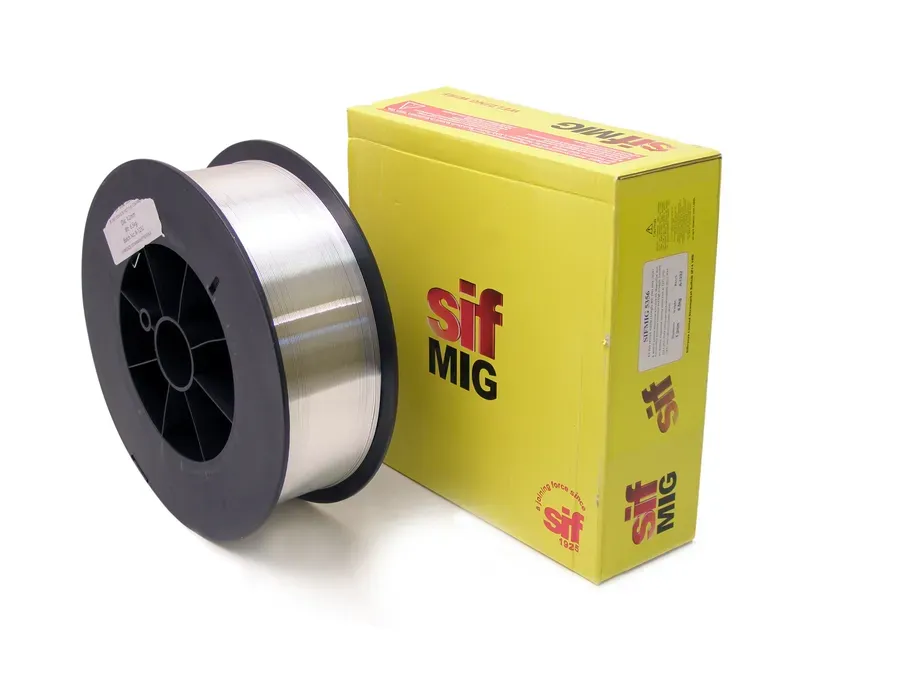
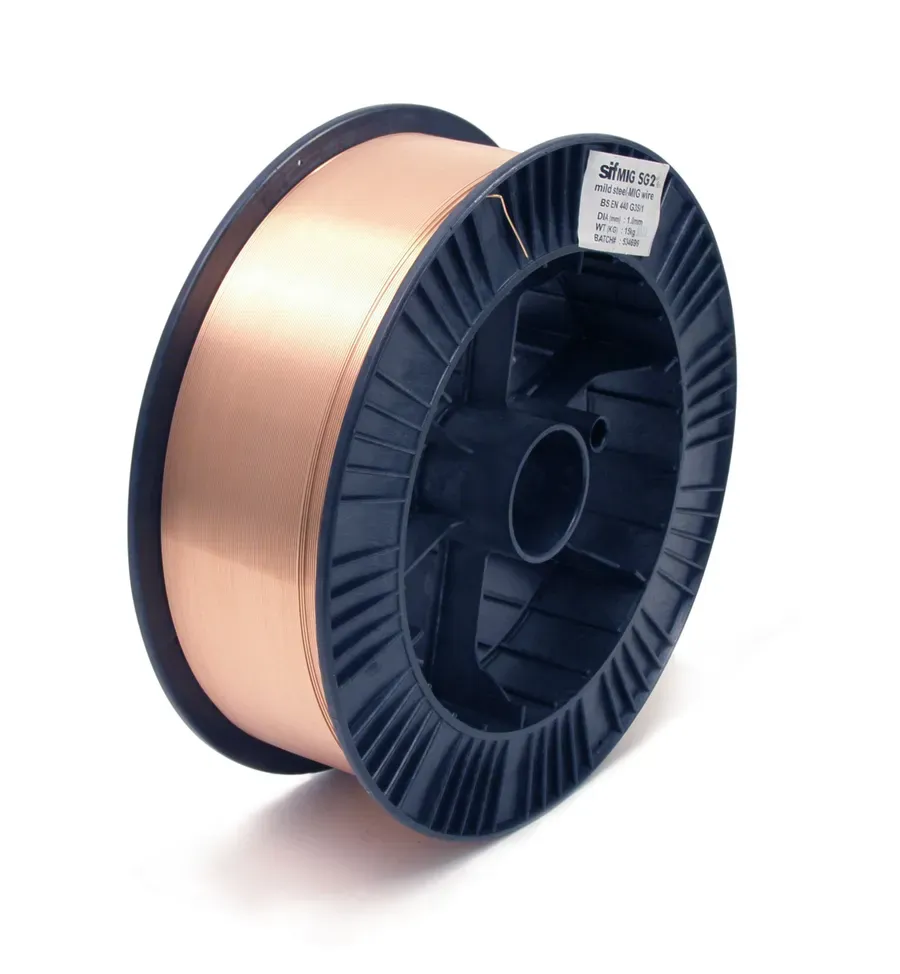
 1.2mm SIFMIG HF600 Hardfacing Steel MIG Wire 15kg
The correct hardfacing wire depends on the type of wear your component experiences, including abrasion, impact, metal-to-metal wear, erosion or a combination of these conditions.
Hardfacing MIG wire is a specialised filler wire used to rebuild worn components or apply a wear-resistant surface that extends the working life of equipment.
Different hardfacing alloys are designed for different wear mechanisms. Selecting the correct alloy ensures the deposited weld metal performs in the environment it was designed for.
Abrasion-resistant wires are designed to withstand wear from sand, minerals and aggregate, while impact-resistant wires are formulated to absorb repeated shock loading without cracking.
Yes. Many hardfacing wires are used to restore worn parts before applying a final wear-resistant layer, helping extend service life and reduce replacement costs.
Hardfacing MIG wire is widely used in quarrying, mining, agriculture, recycling, construction, cement production, steel processing and heavy engineering.
Typical applications include buckets, excavator teeth, crusher parts, conveyors, augers, rollers, mixer blades, screw flights and other components exposed to heavy wear.
Yes. Proper cleaning, removal of damaged material and, where necessary, rebuilding worn areas helps produce a sound hardfaced surface and maximise service life.
Some hardfacing alloys can be machined, while others become extremely hard and should be finished by grinding. The correct choice depends on the alloy selected and the application.
Before selecting a hardfacing wire, identify: What type of wear is occurring? Is it abrasion, impact, erosion or metal-to-metal wear? Is the component being rebuilt or protected? What is the parent material? What service life are you trying to achieve? Answering these questions will help you select the most suitable hardfacing alloy for the application.
Open an account
Trade-only No minimum order Free UK delivery over £150. Request an account and get access to the full range.