Welding Knowledge and Advice 1:22
How does welding differ around the world?
 Pramod — The Global Welding Insider
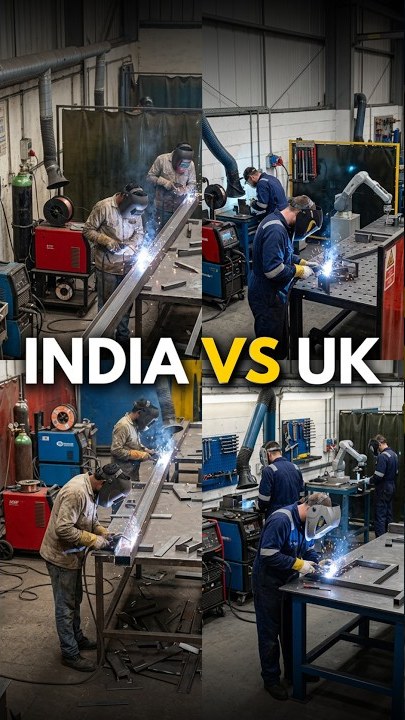
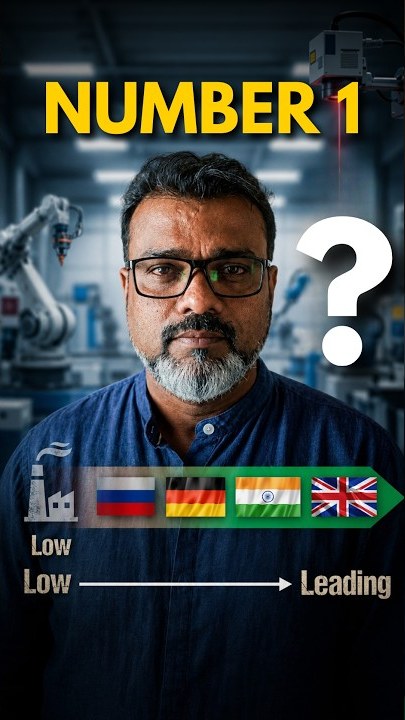
 Welding practice is shaped by local climate, economy and available skills. Pipeline work across the Middle East and Africa contends with extreme heat, sand and high winds, while offshore adds humidity and saltwater corrosion. Across much of Asia, traditional MMA remains widespread because the equipment is inexpensive, even as Japan and Korea lead the world in robotic welding and automation.
Read the transcript
One of the things I find really fascinating is how welding differs around the world. It changes a lot and depends on the local economy and the climate and the available manpower. From my own experience in the Middle East and Africa, welding often happens under extreme weather conditions.
Welders deal with intense heat, sand and strong winds, especially working with the pipeline jobs. Then offshore jobs add another layer of complexity with challenges like humidity and saltwater corrosion. When we look into Asia it's a completely different picture.
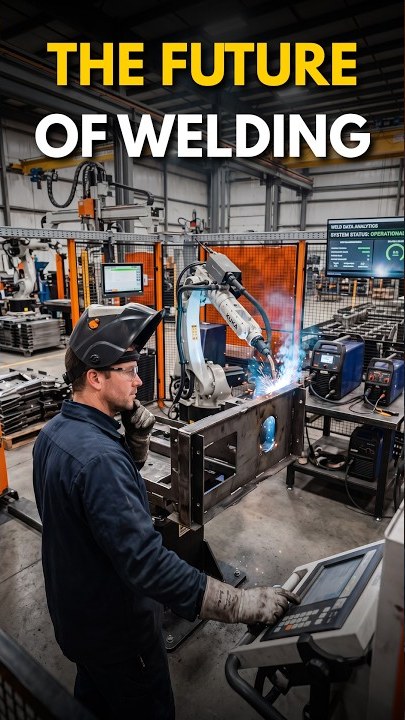
Asia is a hub of massive building projects, heavy manufacturing ship building and infrastructure. In many places, traditional MMA building is still widely used because of the equipment law cost. But if you move further east countries like Japan and Korea are leading the way in advanced robotic welding, setting global standards in automation and precision.
So welding isn't just a technical skill. It it is shaped by the environment, the economy and the technology available in each region. That's what makes it such an interesting field to work in.