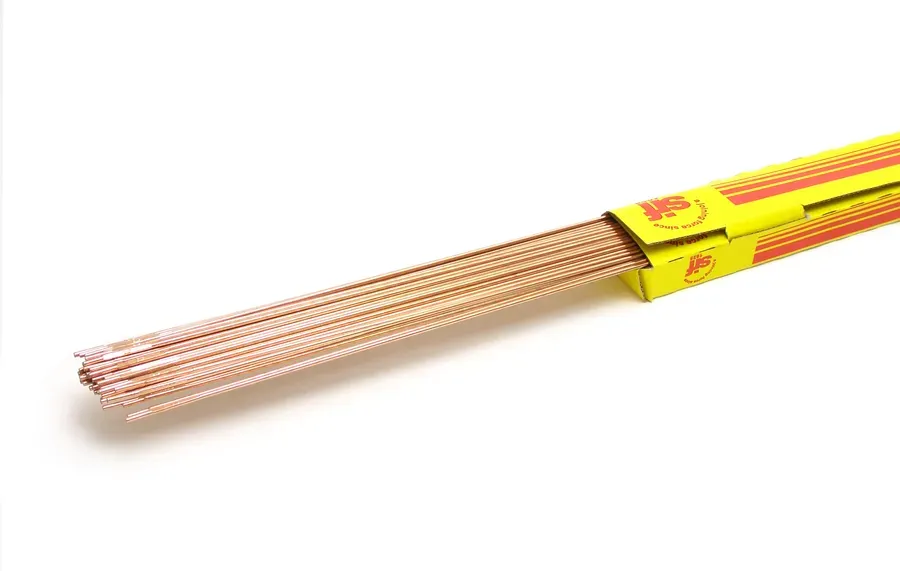
SIF TIG Welding Rods
SKU ROHF61601 · HF600
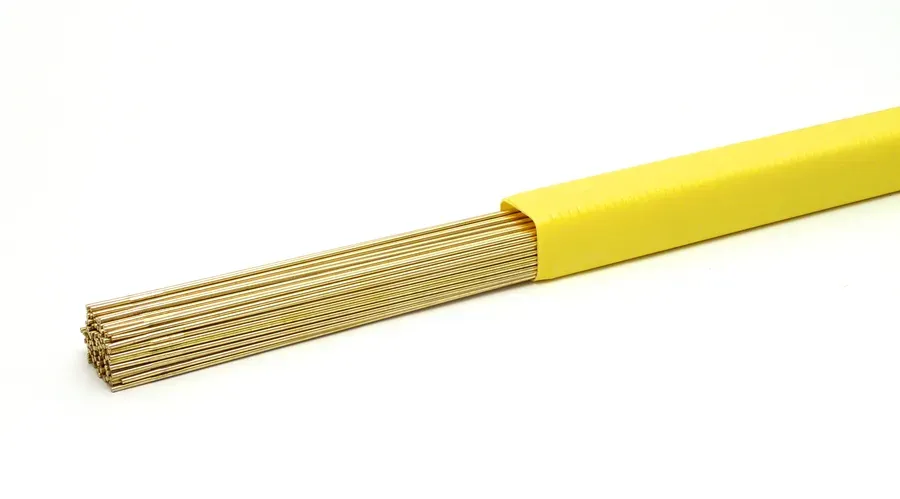
Hard surfacing rod for metal to metal wear, such as wire guides, high speed steel, die and tool steel.
Next day delivery available on UK orders · carriage & areas
Your trade price — / unit
Added to cart ✓ · View cart →
Price on application
There's no standard list price for this item — it's quoted per order, against the quantity and specification you need.
Save to a list
Trade-only · No minimum order · Free UK delivery over £150.
Buying in bulk? Call us for volume pricing 01462 482200 Speak to the trade desk — sharper prices on larger quantities.| Classification | HF600 |
|---|---|
| Diameter (mm) | 1.6 |
| Material | Alloy Steel |
| Weight | 1kg |
Documents & downloads
 Part of the SIF range A century of welding consumables Explore SIF
 Reviews
No reviews yet — if you've used this product, yours would be the first.
Trade customers can review this product. Sign in to leave yours.
Thanks — you've already reviewed this product.
You may also need
 SIF Options
  SIF
SIF  SIF
SIF  SIF Options
  SIF Options SIF
 Related in this range
SIF Options 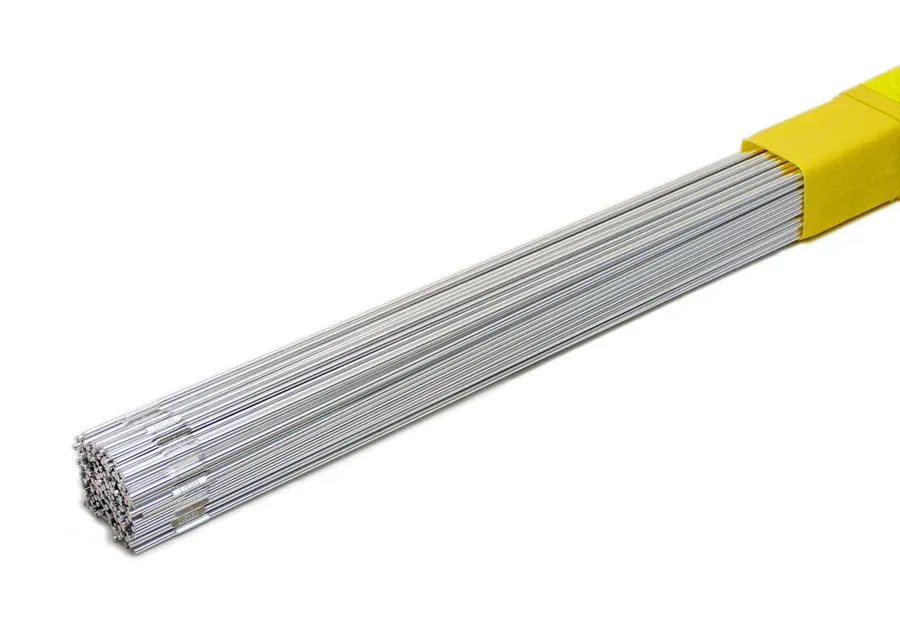 SIF Options
  SIF Options
  SIF Options
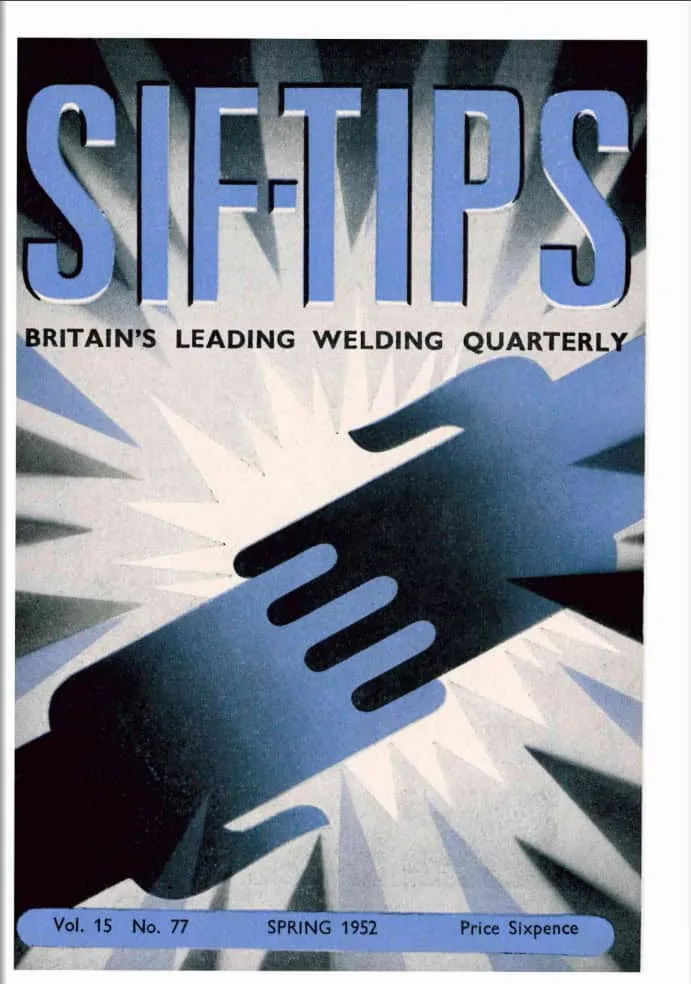
 From the archive · since 1932
This product — or its heritage predecessor — features in these issues of SIF Tips, Britain's welding quarterly. Tap a cover to read the original.
1.6mm SIFTIG HF600 Hard Facing TIG Rod 1.0kg
The correct hardfacing TIG filler rod depends on the type of wear your component experiences, including abrasion, impact, metal-to-metal wear, erosion or heat.
A hardfacing TIG filler rod is a specialist alloy designed to rebuild worn components or apply a wear-resistant surface that extends the service life of equipment.
Start by identifying the wear mechanism rather than the parent material. Understanding whether the component suffers from abrasion, impact, corrosion or heat is the key to selecting the correct alloy.
Abrasion-resistant alloys are designed for components exposed to sand, minerals and aggregate, while impact-resistant alloys absorb repeated shock loading without excessive cracking or chipping.
Yes. TIG hardfacing rods are commonly used to restore worn components before returning them to service, reducing replacement costs and extending equipment life.
Different hardfacing alloys are engineered for different service conditions. Selecting the correct alloy ensures the deposited weld metal performs in the environment it was designed for.
Hardfacing TIG filler rods are widely used in mining, quarrying, agriculture, recycling, power generation, cement production, heavy engineering and maintenance repair.
Some hardfacing alloys remain machinable after welding, while others become extremely hard and are generally finished by grinding. The correct choice depends on the alloy and application.
Yes. Removing damaged material, cleaning the surface and, where necessary, rebuilding worn areas helps produce a sound hardfaced deposit with maximum service life.
Before selecting a hardfacing filler rod, identify: What type of wear is occurring? Is the component exposed to abrasion, impact or metal-to-metal wear? Is this a repair or a preventative wear layer? What is the parent material? What service life are you aiming to achieve? Answering these questions will help you select the most appropriate hardfacing TIG filler rod for your application.
Open an account
Trade-only · No minimum order · Free UK delivery over £150. Request an account and get access to the full range.