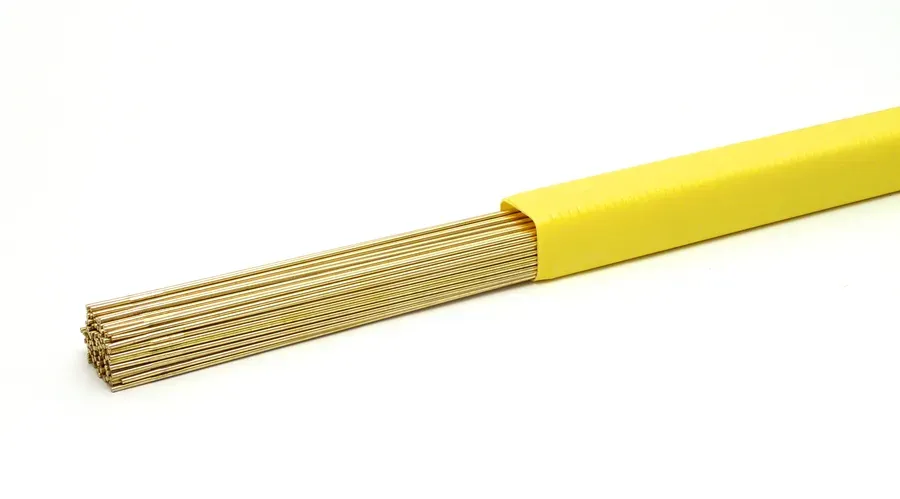
SIF TIG Welding Rods
SKU RO963225 C9
SIFSILCOPPER No.968
Next day delivery available on UK orders carriage & areas
Your trade price … / unit
Added to cart ✓. View cart
Price on application
There's no standard list price for this item. It's quoted per order, against the quantity and specification you need.
Save to a list
Trade-only No minimum order Free UK delivery over £150.
Buying in bulk? Call us for volume pricing 01462 482200 Speak to the trade desk for sharper prices on larger quantities.| Classification | C9 |
|---|---|
| Diameter (mm) | 3.2 |
| Material | Copper |
| Weight | 2.5kg |
 Part of the SIF range A century of welding consumables Explore SIF
 Reviews
No reviews yet. If you've used this product, yours would be the first.
Trade customers can review this product. Sign in to leave yours.
Thanks, you've already reviewed this product.
Related in this range
 SIF Options
  SIF Options SIF Options SIF Options
 From the archive since 1932
This product (or its heritage predecessor) features in these issues of SIF Tips, Britain's welding quarterly. Tap a cover to read the original.
3.2mm SIFTIG C9 Copper TIG Rod 2.5kg
The correct filler rod depends on the parent material, the application and the properties required from the finished weld, including strength, corrosion resistance and wear resistance.
Silicon bronze is commonly used for joining copper alloys and welding coated steels with minimal distortion, while aluminium bronze provides significantly higher strength, excellent wear resistance and outstanding corrosion resistance, particularly in marine environments.
Choose aluminium bronze when higher mechanical strength, improved wear resistance or superior corrosion resistance is required.
Copper nickel filler rods are typically selected for marine, offshore and desalination applications where exceptional seawater corrosion resistance is required.
Yes. TIG welding is widely used for bronze components where precise control, excellent appearance and high-quality welds are required.
Yes. Copper can be TIG welded successfully using the correct filler rod, suitable heat input and appropriate welding technique.
Copper conducts heat extremely efficiently, so insufficient welding current, poor joint preparation or inadequate preheating can all contribute to lack of fusion.
Bronze and copper filler rods are widely used in marine engineering, shipbuilding, repair and maintenance, foundries, electrical applications, architectural metalwork and precision engineering.
Store filler rods in a clean, dry environment and protect them from moisture, dirt, oil and other contaminants to maintain welding quality.
Before selecting a filler rod, identify: What is the parent material? Is corrosion resistance important? Will the component operate in a marine environment? Is wear resistance or strength the priority? Am I joining similar or dissimilar materials? Answering these questions will help you select the most suitable bronze or copper TIG filler rod for the application.
Open an account
Trade-only No minimum order Free UK delivery over £150. Request an account and get access to the full range.