 SIF Options
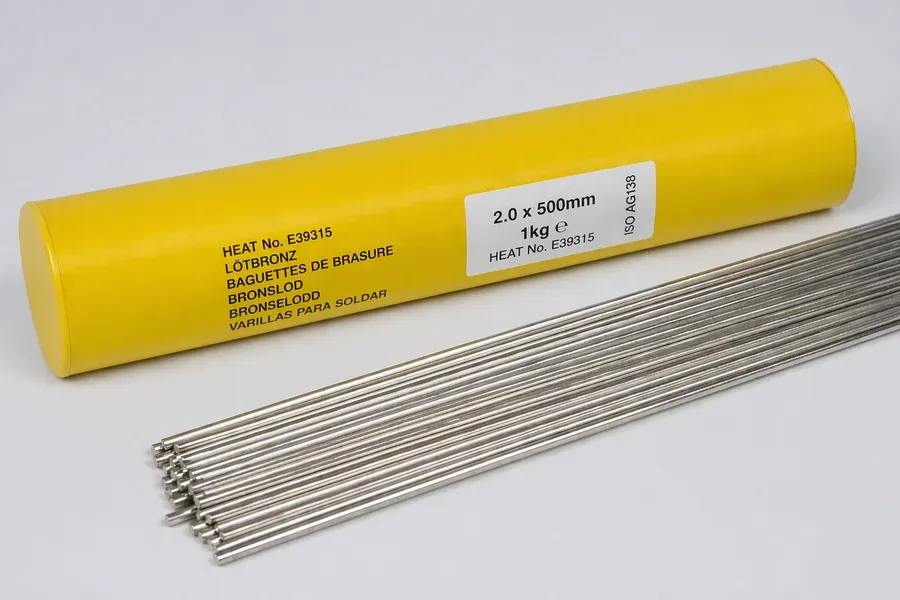
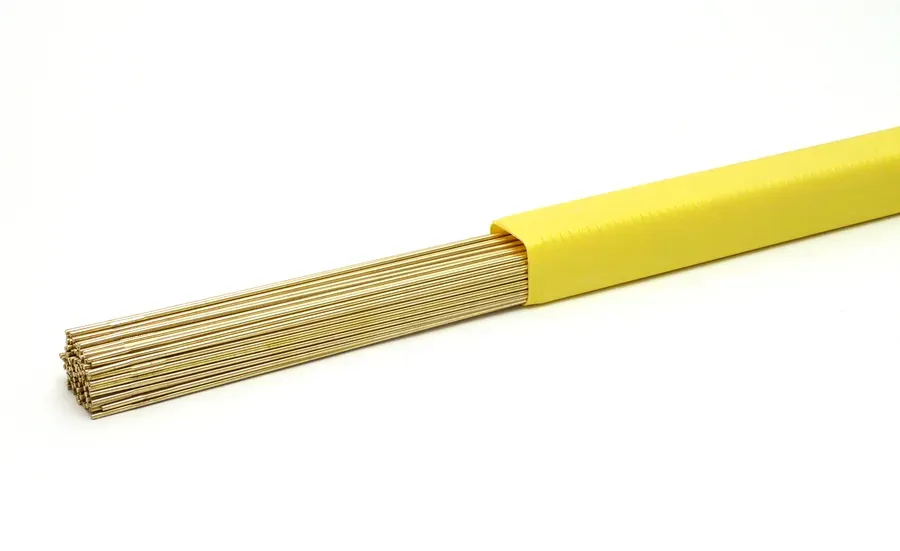
 Multiple options available SIFBRONZE Alloy Brazing Rods Material: Alloy Enquire / quote
Category Brazing Rods
No products match those filters.
Brazing Rods
The correct brazing filler rod depends on the materials being joined, the joint design, the required strength, the service conditions and the brazing temperature.
Brazing joins metals by melting a filler alloy without melting the parent materials, while welding melts the parent metals to create the joint.
Brazing offers lower joining temperatures, reduced distortion, excellent capillary flow and the ability to join dissimilar metals that may be difficult to weld.
Brazing can be used to join steel, stainless steel, copper, brass, bronze, cast iron and many dissimilar metal combinations when the correct filler rod is selected.
Identify the parent materials, the required joint strength, operating temperature, service environment and whether corrosion resistance is important before selecting a brazing alloy.
Poor flow is commonly caused by incorrect joint clearance, insufficient heat, contaminated surfaces or selecting an unsuitable flux or filler alloy.
Many brazing applications require a suitable flux to remove oxides and allow the filler metal to flow correctly. The correct flux depends on the parent material and filler alloy.
Brazing filler rods are widely used in refrigeration, HVAC, plumbing, automotive, aerospace, maintenance, engineering and general manufacturing.
Store brazing filler rods in a clean, dry environment and protect them from moisture, dirt and contamination to maintain consistent brazing performance.
Before selecting a brazing filler rod, identify: What materials am I joining? What joint strength is required? What service temperature will the joint experience? Do I need corrosion resistance? Will a brazing flux be required? Answering these questions will help you select the most suitable brazing filler rod for your application.
Open an account
Trade-only No minimum order Free UK delivery over £150. Request an account and get access to the full range.