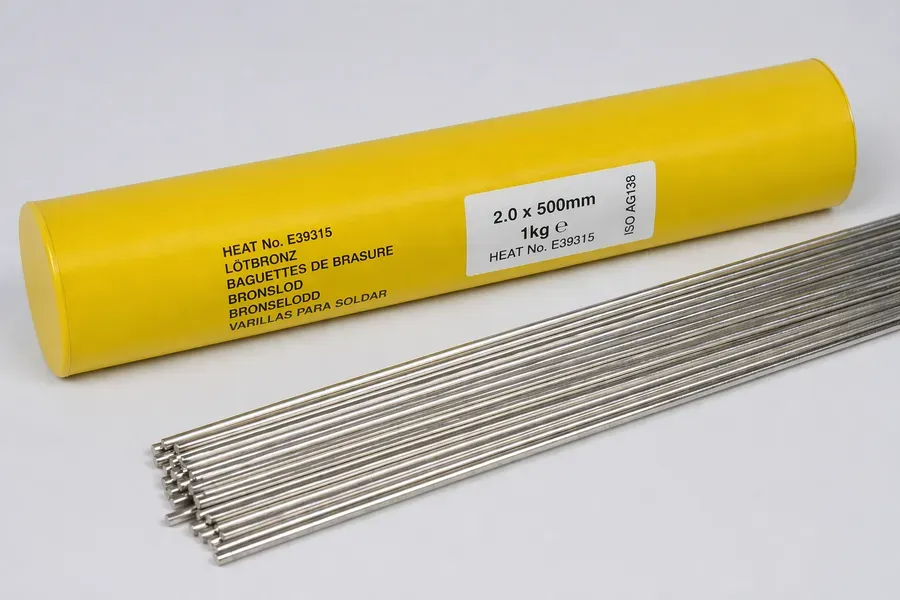
SIF Brazing Rods
Multiple options available: select an option below
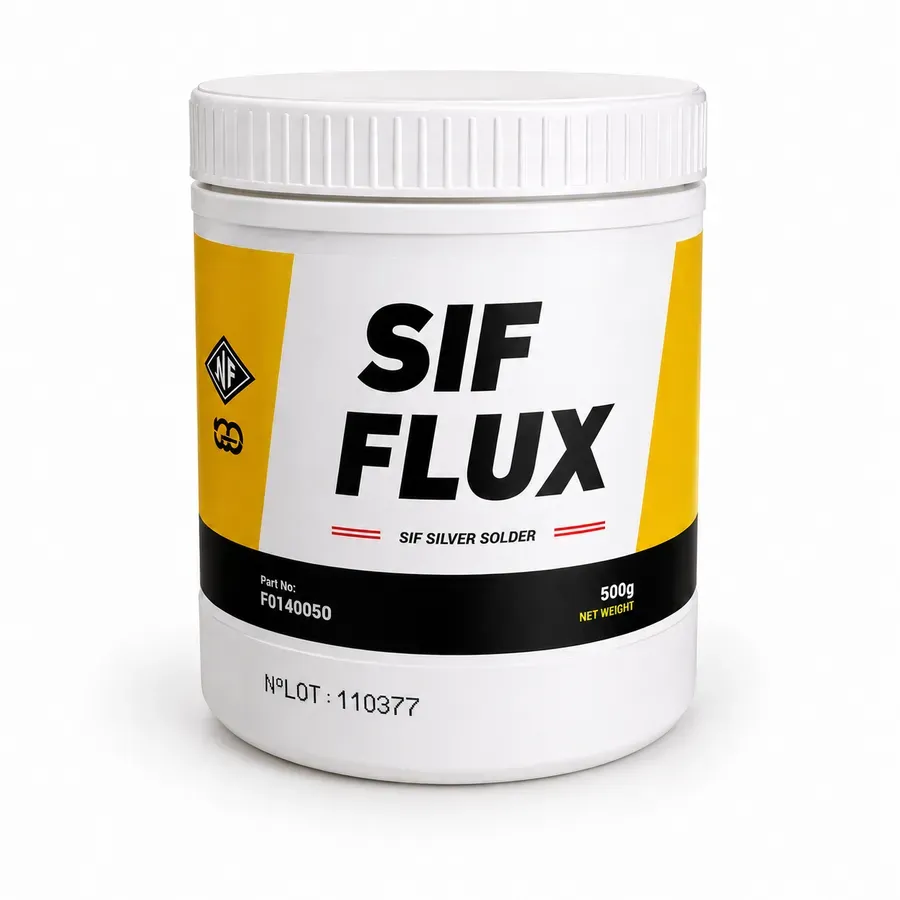
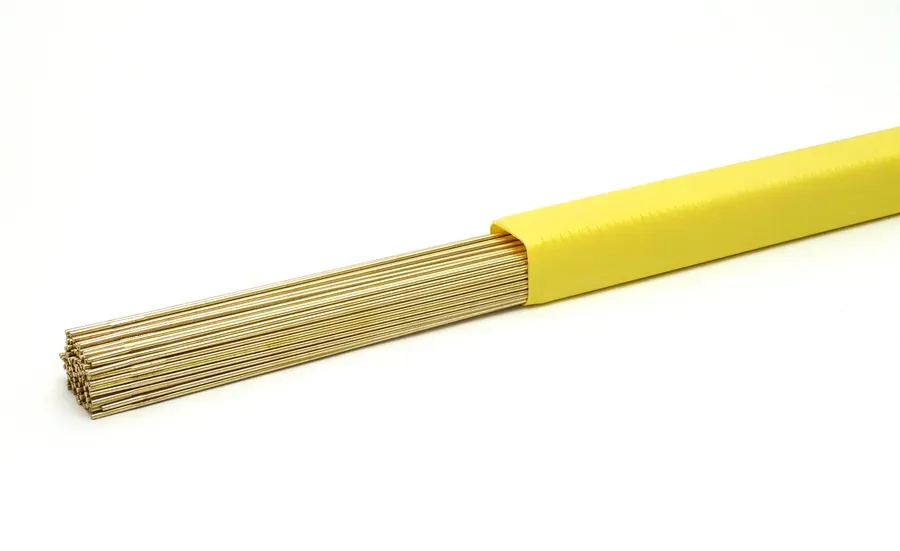
SIF silver solder and silver brazing rods are filler alloys for joining compatible copper, brass, steel and stainless steel components in fabrication, repair and maintenance. The range includes No.39 with 38% silver, No.40 with 40% silver and No.43 with 55% silver. These SIF grade numbers identify the products; they do not necessarily indicate silver content. Commonly called silver solder, these alloys are used for brazing rather than soft soldering. Select against the parent metals, joint clearance and service conditions, and use a suitable silver brazing flux. Choose your grade, rod diameter and pack size below. Contact us for current pricing.
01Classification
02Diameter
03Weight
Price on application. This variant is quoted per order. Send an enquiry with your quantity and the trade desk will price it.
Save to a list
Next day delivery available on UK orders carriage & areas
Your trade price … / unit
Added to cart ✓. View cart
Price on application
There's no standard list price for this item. It's quoted per order, against the quantity and specification you need.
Trade-only No minimum order Free UK delivery over £150.
Buying in bulk? Call us for volume pricing 01462 482200 Speak to the trade desk for sharper prices on larger quantities.| Material | Silver Solder |
|---|
Documents & downloads
 Part of the SIF range A century of welding consumables Explore SIF
Reviews
No reviews yet. If you've used this product, yours would be the first.
Trade customers can review this product. Sign in to leave yours.
Thanks, you've already reviewed this product.
You may also need
Related in this range
From the archive since 1932
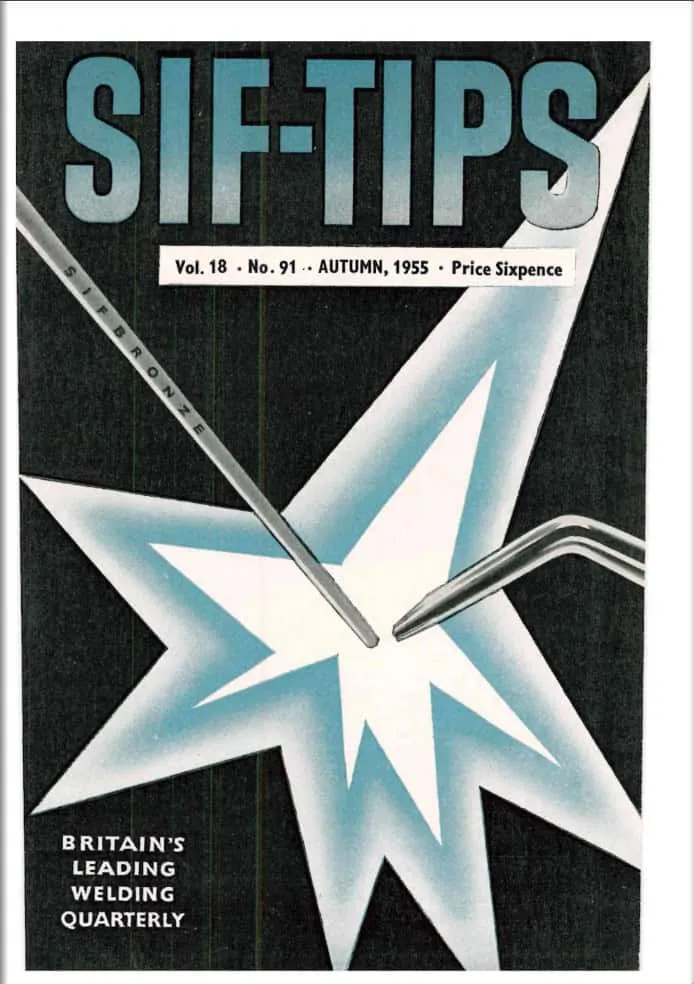
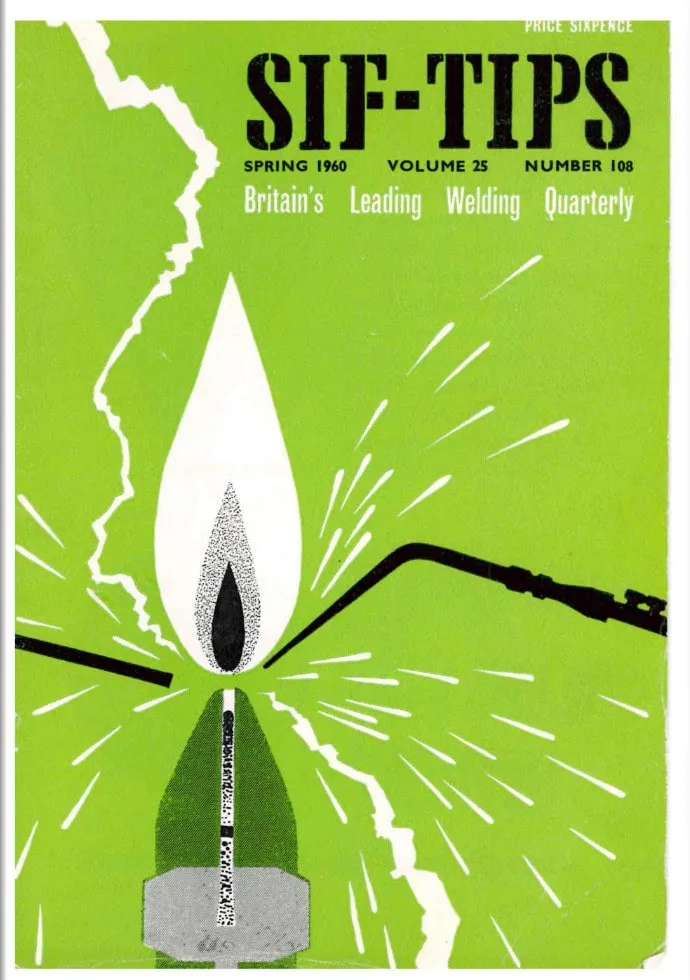
This product (or its heritage predecessor) features in these issues of SIF Tips, Britain's welding quarterly. Tap a cover to read the original.
Case studies featuring this product
SIF Silver Solder & Silver Brazing Rods
The correct silver solder depends on the parent materials, joint clearance, service conditions and the strength required from the finished joint. Selecting the appropriate alloy ensures reliable brazing performance.
Start by identifying the metals you're joining, then consider the required joint strength, operating temperature, joint clearance and corrosion resistance before selecting the most suitable silver brazing alloy.
Higher silver content alloys generally offer improved flow characteristics, lower melting temperatures and easier brazing, making them ideal for more demanding or precision applications.
Lower silver content alloys are often selected where cost is an important consideration and the application does not require the enhanced flow characteristics or reduced brazing temperature of higher silver alloys.
Yes. Most silver brazing applications require a suitable brazing flux to remove oxides, protect the joint during heating and allow the filler alloy to flow correctly.
Yes. Silver brazing alloys are widely used to join dissimilar metals including steel, stainless steel, copper and brass, making them extremely versatile for engineering applications.
Poor alloy flow is commonly caused by insufficient heat, contaminated parent materials, incorrect joint clearance or using an unsuitable brazing flux.
Silver brazing alloys are widely used in refrigeration, HVAC, plumbing, aerospace, automotive, jewellery, medical equipment, precision engineering and general manufacturing.
Store silver solder rods in a clean, dry environment and protect them from moisture, dirt and contamination to maintain consistent brazing performance.
Before selecting a silver brazing alloy, identify: What metals am I joining? What joint strength is required? How close is the joint clearance? What service temperature will the joint operate at? Which brazing flux should I use? Answering these questions will help you select the most suitable silver solder for your application.
Open an account
Trade-only No minimum order Free UK delivery over £150. Request an account and get access to the full range.