Fume and Workplace Safety 1:03
What's the biggest mistake you see people make with fume extraction systems?
 Nathan — The Guy Who Fixes It
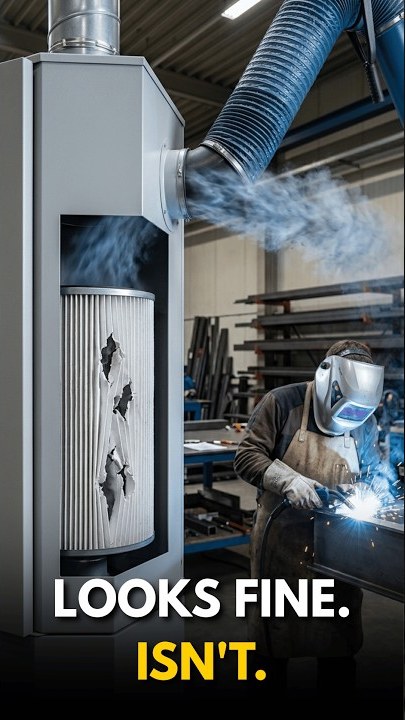
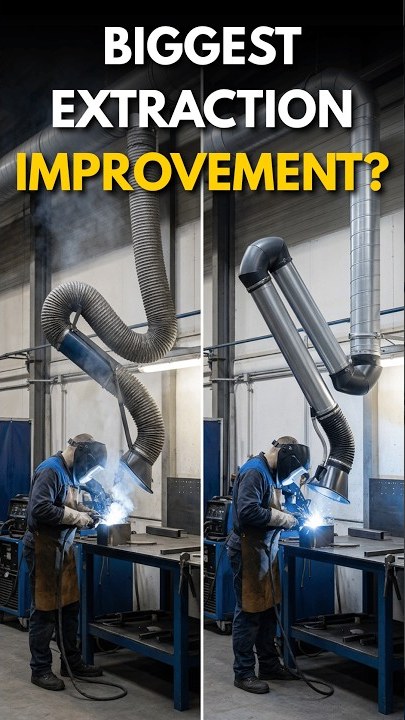
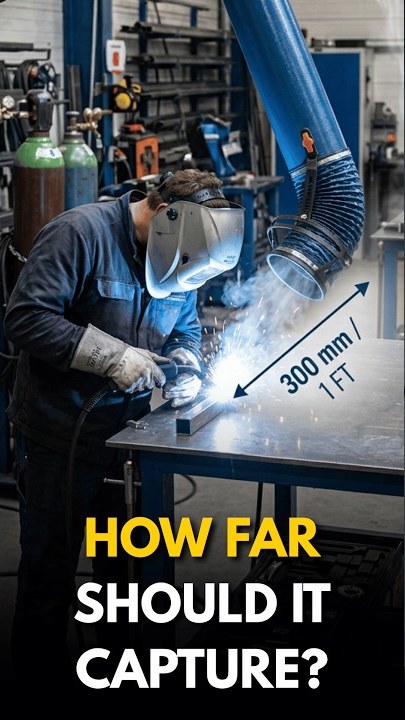
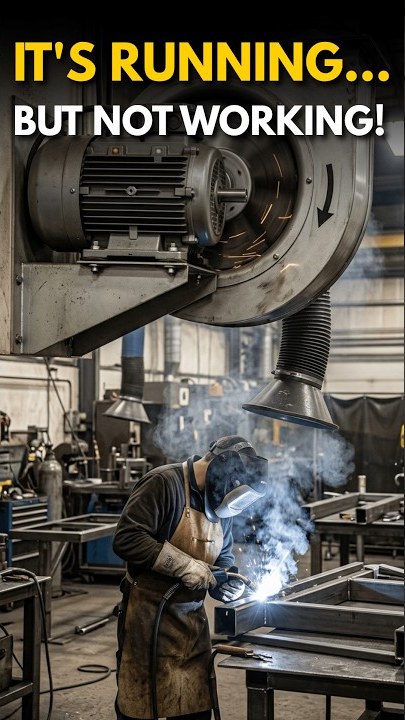
 The biggest mistakes are using the wrong type of extraction for the job, such as using fume extraction for oil extraction or metal dust extraction systems that are not suitable and could create a fire risk. Another common mistake is poor hood positioning: the extraction needs to be close enough to capture fumes effectively. LEV testing is not a replacement for regular maintenance; it is a check that the system is working correctly. Operators should carry out routine maintenance and checks every 3–6 months to keep the unit running effectively between LEV inspections.
Read the transcript
Hey everyone, Nathan from Extractability here. I'm just going to go through some of the most commonly made errors when it comes to using fume extraction. For the most part, one of the ones I spoke to you about in an earlier video was having the hood in the wrong place.
A lot of operators put the hood way outside of the effective capture distance. A lot of people also simply use their fume extraction on things that it was never designed to be used on. So, using a welding fume extractor for oil extraction, or using some kind of dust extraction unit for metal dust extraction.
Obviously, the pockets in those filters are made of cotton or polyester, and if you put hot metal through them, they will catch fire. Another thing, which is fairly simple, is that your LEV tester will not maintain your unit for you every 14 months. They might do some rudimentary maintenance, but it's very much the responsibility of the operator to keep on top of that maintenance, whether that's monthly, three-monthly, six-monthly, or something similar, to keep the machine running throughout that 14-month period between having your tests completed.