Welding Consumables 1:13
Why are there so many different types of stainless?
 Robson — The Consumables Guy Field Sales Manager
 Stainless steel comes in many different grades, each with its own composition, properties, and applications. Choosing the correct filler metal is essential to maintain strength, corrosion resistance, and performance. The right choice depends not only on the material grade but also on where and how the component will be used.
Read the transcript
Why are there so many different types of stainless? Stainless covers a wide variety of applications. It's not just one material.
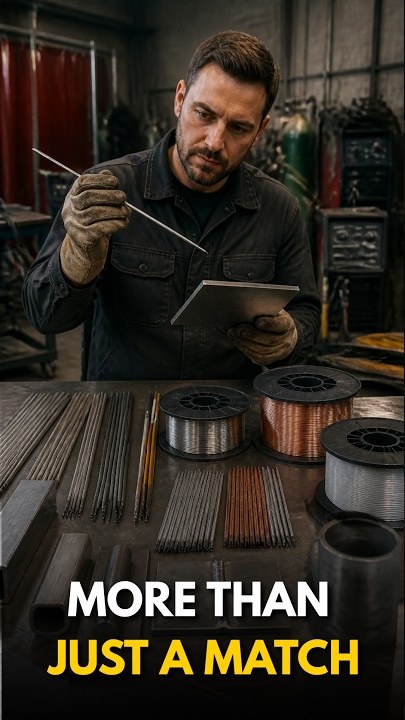
Each grade will have its own properties, its own composition, and things that it's best suited for. For example, a 316 stainless, you typically want to use a 316 filler rod to maintain the corrosion resistance, especially in a marine environment. You could have stuff like a 312 grade, which is for welding dissimilar metals because it's very crack resistant and forgiving.
You could also have things like 347, for example, which is commonly used for stabilised stainlesses, so high-pressure work and exhausts, for example, things that are going to be used at high temperatures. Matching that metal up will help maintain the strength and those particular properties. So it's not always just about matching it to what's stamped on it.
You need to understand where that component is going to be used and select the filler metal that will give the weld the performance that it needs to sustain in the environment that it's going to be used in.